I'm just back from two weekends of SCBWI Writers' Conferences (great to meet you, new friends in Colorado and the Carolinas). While creating my presentation for last weekend's conference, I found a couple of sharp, smart quotes from writerly "greats" that I love:
“Lots of interesting things happen to people, but they don’t all make good stories. It’s a writer’s job to know which is which.”—Joan Lowery Nixon, The Making of a Writer
“A book for young readers has to tell a story. This may seem self-evident, but the truth is some people ignore it because plotting is very hard work.”—Katherine Paterson, The Gates of Excellence
Do you have a favorite quote about writing? Leave it in the comments!
Showing posts with label On Writing. Show all posts
Showing posts with label On Writing. Show all posts
Tuesday, October 2, 2012

Tuesday, March 20, 2012
New favorite article of the week

The New York Times has begun what promises to be a *fantastic* series called "Draft," on the art & craft of writing. (Please go check it out, so they get good traffic/stats and choose to continue it!) Here's an excerpt from one of the pieces, by Pulitzer winner Jhumpa Lahiri, who is a master of powerful, evocative writing:
“For surely it is a magical thing for a handful of words, artfully arranged, to stop time. To conjure a place, a person, a situation, in all its specificity and dimensions. To affect us and alter us, as profoundly as real people and things do. . . .
We encounter books at different times in life, often appreciating them, apprehending them, in different ways. But their language is constant. The best sentences orient us, like stars in the sky, like landmarks on a trail.”
Sunday, March 18, 2012
Five articles worth reading this week
1. This great article that talks about the neurological effects of reading. If you're a brain science nerd like I am (for me it boils down to a fascination with understanding the things that make us human), or simply someone who likes when reading/storytelling make news, you'll probably appreciate this, too.
Sample: "A psychologist...concluded that there was substantial overlap in the brain networks used to understand stories and the networks used to navigate interactions with other individuals — in particular, interactions in which we’re trying to figure out the thoughts and feelings of others. Scientists call this capacity of the brain to construct a map of other people’s intentions “theory of mind.” Narratives offer a unique opportunity to engage this capacity, as we identify with characters’ longings and frustrations, guess at their hidden motives and track their encounters with friends and enemies, neighbors and lovers."
2. The text of a commencement speech given to West Point grads three years ago. It's long, but offers a really compelling definition of leadership by way of also discussing the critical roles of vision, solitude, courage, introspection, literature, and friendship.
Sample (which isn't talking about writing fiction, but oh, how it could be!): "I find for myself that my first thought is never my best thought. My first thought is always someone else’s; it’s always what I’ve already heard about the subject, always the conventional wisdom. It’s only by concentrating, sticking to the question, being patient, letting all the parts of my mind come into play, that I arrive at an original idea. By giving my brain a chance to make associations, draw connections, take me by surprise. And often even that idea doesn’t turn out to be very good. I need time to think about it, too, to make mistakes and recognize them, to make false starts and correct them, to outlast my impulses, to defeat my desire to declare the job done and move on to the next thing."
3. A legendary magician offers his career secrets via an email exchange with a young admirer. I want to quote like six different passages from this, so really, you should just go read it, even though it, too, is lengthy. It's not about writing, but it IS about the creative life and I suspect you'll see the links just as I do. After all, making magic and making stories have a lot in common....
Sample: "Surprise me. That's it. Place 2 and 2 right in front of my nose, but make me think I'm seeing 5. Then reveal the truth, 4!, and surprise me. Now, don't underestimate me, like the rest of the magicians of the world. Don't fool yourself into thinking that I've never seen a set of linking rings before and I'll be oh-so-stunned because you can "link" them. Bullshit. Here's how surprise works. While holding my attention, you withold basic plot information. Feed it to me little by little. Make me try and figure out what's going on. Tease me in one direction. Throw in a false ending. Then turn it around and flip me over."
(Aside: like many of my best internet discoveries, items #3 and #4 on this list came to my attention via my pal @brainpicker. If you're not following her or reading her blog, you should be, as she is a constant treasure-trove of interestingness and inspiration.)
4. I don't always agree with Laura Miller's Salon.com articles about publishing, but this look inside publishing the juggernaut otherwise known as The Hunger Games is one of the best journalistic looks I've seen at the strategic, carefully-layered work it takes to build success in the kids' book world. Even more importantly, it emphasizes what I tend to think is and always will be the most important truth of the industry, no matter how it morphs: the children's book world is a business built on personal relationships.
Sample: "It’s hard to imagine the first book in any adult series being greeted with a comparable level of grass-roots hoopla: buzzed, booktalked and big-mouthed for months before it appeared on any bookstore display table . . . "We got it in the hands of the right people. That’s what publishers do,” van Straaten said. "You’re leveraging one thing to build the next thing. You need the enthusiasm internally to convince that first layer of gatekeepers. Once you have the kudos of those people, you can get these people, and so on.'"
5. Um, actually, my list only goes up to number four today. So you tell me: what article did you find recently that others should read? Leave links in the comments, and thanks!
Sample: "A psychologist...concluded that there was substantial overlap in the brain networks used to understand stories and the networks used to navigate interactions with other individuals — in particular, interactions in which we’re trying to figure out the thoughts and feelings of others. Scientists call this capacity of the brain to construct a map of other people’s intentions “theory of mind.” Narratives offer a unique opportunity to engage this capacity, as we identify with characters’ longings and frustrations, guess at their hidden motives and track their encounters with friends and enemies, neighbors and lovers."
2. The text of a commencement speech given to West Point grads three years ago. It's long, but offers a really compelling definition of leadership by way of also discussing the critical roles of vision, solitude, courage, introspection, literature, and friendship.
Sample (which isn't talking about writing fiction, but oh, how it could be!): "I find for myself that my first thought is never my best thought. My first thought is always someone else’s; it’s always what I’ve already heard about the subject, always the conventional wisdom. It’s only by concentrating, sticking to the question, being patient, letting all the parts of my mind come into play, that I arrive at an original idea. By giving my brain a chance to make associations, draw connections, take me by surprise. And often even that idea doesn’t turn out to be very good. I need time to think about it, too, to make mistakes and recognize them, to make false starts and correct them, to outlast my impulses, to defeat my desire to declare the job done and move on to the next thing."
3. A legendary magician offers his career secrets via an email exchange with a young admirer. I want to quote like six different passages from this, so really, you should just go read it, even though it, too, is lengthy. It's not about writing, but it IS about the creative life and I suspect you'll see the links just as I do. After all, making magic and making stories have a lot in common....
Sample: "Surprise me. That's it. Place 2 and 2 right in front of my nose, but make me think I'm seeing 5. Then reveal the truth, 4!, and surprise me. Now, don't underestimate me, like the rest of the magicians of the world. Don't fool yourself into thinking that I've never seen a set of linking rings before and I'll be oh-so-stunned because you can "link" them. Bullshit. Here's how surprise works. While holding my attention, you withold basic plot information. Feed it to me little by little. Make me try and figure out what's going on. Tease me in one direction. Throw in a false ending. Then turn it around and flip me over."
(Aside: like many of my best internet discoveries, items #3 and #4 on this list came to my attention via my pal @brainpicker. If you're not following her or reading her blog, you should be, as she is a constant treasure-trove of interestingness and inspiration.)
4. I don't always agree with Laura Miller's Salon.com articles about publishing, but this look inside publishing the juggernaut otherwise known as The Hunger Games is one of the best journalistic looks I've seen at the strategic, carefully-layered work it takes to build success in the kids' book world. Even more importantly, it emphasizes what I tend to think is and always will be the most important truth of the industry, no matter how it morphs: the children's book world is a business built on personal relationships.
Sample: "It’s hard to imagine the first book in any adult series being greeted with a comparable level of grass-roots hoopla: buzzed, booktalked and big-mouthed for months before it appeared on any bookstore display table . . . "We got it in the hands of the right people. That’s what publishers do,” van Straaten said. "You’re leveraging one thing to build the next thing. You need the enthusiasm internally to convince that first layer of gatekeepers. Once you have the kudos of those people, you can get these people, and so on.'"
5. Um, actually, my list only goes up to number four today. So you tell me: what article did you find recently that others should read? Leave links in the comments, and thanks!
Wednesday, March 7, 2012
Everything You Ever Wanted To Know About Middle Grade, Part 2: Technology and Gender and Marketing, Oh My!
This is Part Two in a series of online coversations between Dystel & Goderich literary agent Michael Bourret and myself, HarperCollins Children's Books editor Molly O'Neill, about middle grade books. If you missed the first part of the conversation, you can read it here.
MO: Zoinks! (Michael, we're going to get sooooo many submissions with that little joke from now on. I hope it was worth it!) Thanks to everyone who read/commented on and/or shared our first MG chat, and for coming back to read more. Your response definitely affirms something we've both been feeling: that the industry is definitely on the look-out for GREAT middle grade.
What does "GREAT" middle grade mean, though? I guess like any sort of fantastic writing, great middle grade rises above the present moment and hopefully establishes itself as not just meaningful for readers today, but as a lasting part of the literary landscape. Sure, technology is changing the way we promote and even read books--though for middle graders, e-readers aren't quite as pervasive as they are for teens or even adults, just like the way it took a while for cell phones to trickle down into tween hands, once upon a time. And it's harder for us to market directly to younger readers since COPPA laws limit the ways we can target that readership, so I suspect that we're always going to be reaching out to gatekeepers (parents, teachers, librarians, etc.) as much as our ultimate readers for this genre. Which makes sense, because as a middle grader, the people in your life who model a love of reading can be a big reason a kid becomes a reader. And if the emotions and situations and relationships in a story ring true, and the creative imagination behind it transports reader after reader, that's part of what makes a book great--and why it will endure through generations of readers, no matter what format or delivery system or marketing vagaries might exist.
MB: Zoinks, indeed! That's my reaction to trying to define "GREAT" middle grade. There's such a diversity in middle grade that it's hard to pinpoint the things that make it great. But I'll agree with Molly that the truly great books (for any age) touch on universal truths that don't depend on trends, fads or gimmicks. One of the great things about middle grade is that it seems much less susceptible to big trends--you don't have the same sort of vampire, werewolf, dystopian waves that you see on the YA side. Because middle grade typically gets less media attention (more on that in a second), I think there's a lot less groupthink and a greater degree of creativity and, dare I say, effort. To me, middle grade always seems so open and full of possibility; is there anything you can't do? In particular, I'm taken by the many books that combine realistic, relatable stories with the fantastic. Kids are so open to that, and it allows the writer to tell a story about real kids that also has high stakes (see our last post).
Back to the marketing for just a moment: Molly makes such an excellent point about selling to kids. While middle grade novels are written for children, publishers can't market directly to them, so much of what we do goes through gatekeepers like parents and educators. It necessarily changes the role of the author in promoting the books, as well, since they aren't reaching their readers in the same way that they do on the teen side. In my experience, that can be a surprise for authors who are so keen to use their social networks to reach readers. It's not that social networking is any less important, it's just important to remember that while the audience for your book might be kids, the audience for your tweet is probably an adult.
MO: I, too, love the potential for possibility and sky's-the-limit creativity that middle grade allows--and that it's so much less trend-driven that our current YA market. Middle grade readers are some of the most voracious readers, I think, and though some are highly influenced by what their peers are reading, or firmly decide they only like one kind of book, many others are willing to sample widely, skipping across genres and loving them all in a way that teens and adults aren't always willing to do. I think middle grade readers are reading a lot less for status (though they do seem to find it cool to lug a big book around) or out of the need to be part of a collective conversation, and more for personal satisfaction.
Michael nails it, though--while the genre seems wide-open, it's also about blending the right combination and balance of the relatable with the infinitely fantastical. Middle grade readers are miles away from being English majors, and are rarely interested in the author's bold stylistic choices or the reasons behind them...they just want a story that satisfies them! My own inner middle grade reader is drawn to the sense of wonder that can be found in so many great middle grade books. Sometimes that's the sense of wonder that rich friendship and powers of imagination can bring about, like in the classic Bridge to Terabithia or in the more recent When You Reach Me or Breadcrumbs. Or it’s the awe and wonder of otherworldliness that fantasies like Shannon Hale’s deliver, or it’s the wonder of a kid who gets to experience the utterly fantastical that's also somehow reminiscent of the world they know, like the cat clans of the Warriors books that aren't so very different than the cliques of middle school, or The Mysterious Benedict Society, which gives kids an opportunity to put their ordinary-seeming talents to use in extraordinary situations. And sometimes the wonder comes from a simpler place, like the “ahhhh” of recognition that comes from pitch-perfection depictions and articulations of the universal experiences and emotions of being human, and growing up: like the stories of Deborah Wiles, or Lisa Yee, or Gary Schmidt.
We got some interesting questions about point-of-view for middle grade, but unfortunately, as with so much of writing, there's no single right answer. It's all about what the story demands, and what will allow readers to access the story most fully. For some books, a sweeping, omniscient storyteller voice is absolutely fitting, or a boisterously humorous and clever one is. For others, the closeness of a first-person voice makes the main character's victories and heartaches that much more real, or makes a long-ago time feel more accessible, or a third-person narration makes the setting come alive with details. The trick is that the perspective/point-of-view should bring the reader in close to the story AND also make the story’s telling feel effortless, not labored. You'll notice that I keep talking about things (often extremes) that need to be done simultaneously! I think balance is a HUGE part of good writing and storytelling. In a perfect book, to me, nearly every scene, if not nearly every single line of text, serves multiple purposes, moving the story forward but also revealing things about the characters, their relationships, the setting, the unfolding plot, etc., etc. When a writer is that deliberate and thoughtful about their writing and storytelling (and the revising that leads them there), the result can be a story that’s layered and nuanced and that has a sort of texture and richness that leaves readers feeling oh-so-satisfied throughout the whole reading experience. It’s not unlike the sensation of having eaten a meal that combined flavors you’d never imagined blending together, even if you’d encountered them all separately before—it’s memorable precisely because of the craftsmanship and daring and creative delight that went into conceiving and creating it. In great middle grade, the sum is always more than the seemingly-ordinary and often-familiar parts…but HOW the writer arrives at that sum is the thrilling part!
MB: What's interesting to me is that your list of middle grade titles that you mentioned above are some of the very titles I was thinking of: Bridge to Terabithia, When You Reach Me, Mysterious Benedict Society. The former has to be one of the best middle grade books ever written--it gets so many of the elements we've been talking about just right. And what a perfect segue to discuss gender! Several questions in the comments addressed the question of gender in middle grade novels, specifically asking if boys are willing to read books with female protagonists. It's a fair question, and something I know that gets discussed often, both by writers and publishing professionals. I have to say, I'm very curious to hear Molly's take on this. Gender (along with race, ethnicity, religion and sexuality) is often difficult to discuss, as what we as people believe or espouse doesn't always neatly line up with what the market wants or expects. While unfortunate, I do think that books with male protagonists, on the whole, tend to fare better in middle grade. Why that is, I can only speculate about, though I'm finding it increasingly difficult to believe that boys don't want to read about girl protagonists--I'd like to believe that gender politics, especially for kids, are much better than they were. There are many books, of course, with both a male and female protagonist, which is one way of avoiding the issue altogether, though it does limit the voice and POV of the book. All of that said, I've never gotten a submission, thought, "Oh, this has a female protagonist and therefore I cannot sell this middle grade novel." It's really only in the context of questions like this, which often come up at conferences, that it really crosses my mind. As with anything else, my advice is to write the book you want to write, write it the best you can write it, and try to find it a home. Worrying too much about what's going to happen in the marketplace (either of editors or readers) will surely drive you mad.
MO: You know, I wonder if when people say, "boys don't want to read books about girls," if that's actually shorthand for something slightly different and harder to articulate: that boys and girls look at the world through slightly different lenses, and care about different things, especially at this age. For example, middle grade boys rarely seem to go through the same endless catty frenemy drama that is so common for middle school girls--so would reading books where that theme is central be vastly appealing to most boys? I suspect not. Ditto books where pivotal parts of the story revolve around popularity or lots of details about clothing and crushes. Likewise, girls who read books in part to study/understand/identify how friendships and relationships work for other people may not find it compelling to read about survivalist stories where relationships don't play a big role, or about non-stop adventure with little character development. But you know, even as I type this, I too, am hating the way it sounds like stereotypes being perpetuated, even though I'm just trying to give illustrative examples. I think what it boils down to is that readers--boys and girls and adults, too, for that matter--subconsciously want to IDENTIFY with a book's characters and experiences. We want to see ourselves in a story, right? If there's a hero/heroine, we'd like to feel like we have some of those same heroic traits, and if there are problems, we might tuck away the character's solution/victory to try it out in our own lives when similar dilemmas arise. So I think it's worth asking yourself if there are ways to make your characters as dynamic and relatable to as many different readers as possible.
Like Michael, I don't in any way find myself excluding books that skew to solely one gender--but as an editor, I also have to be realistic from day one about my expectations for a book, and I think writers have to do the same. A book with both a male and female protagonist does potentially have more reach than a book that hews to only one side of the gender divide. That means that more kids may be drawn to it, which means more word-of-mouth may spread more widely, or that teachers will have an easier time incorporating it into classroom use--all of which can help it find a bigger audience of readers. But you also have to be true to the story you're writing. Inserting a character that doesn't belong or ring true, simply in attempt to broaden marketability, could destroy an otherwise great book, which will limit its potential in a much more serious way than skewing to a specific gender. It's like the Aesop fable about the miller and his son taking their donkey across the river: in trying to please everyone, you might end up pleasing no one--not readers, and not yourself as a writer, either. And if you're not delighted and pleased by the writing that you're doing, then what's the point?
MB: I love when we agree. Which is a good place for us to pause, because boy, can we go on. And we will, next week! We'll be answering more of your questions in the next couple of weeks (so leave new ones in the comments if you have them), and we thank you so much for reading, commenting on, and tweeting what we've written. We sincerely appreciate your appreciation.
MO: Zoinks! (Michael, we're going to get sooooo many submissions with that little joke from now on. I hope it was worth it!) Thanks to everyone who read/commented on and/or shared our first MG chat, and for coming back to read more. Your response definitely affirms something we've both been feeling: that the industry is definitely on the look-out for GREAT middle grade.
What does "GREAT" middle grade mean, though? I guess like any sort of fantastic writing, great middle grade rises above the present moment and hopefully establishes itself as not just meaningful for readers today, but as a lasting part of the literary landscape. Sure, technology is changing the way we promote and even read books--though for middle graders, e-readers aren't quite as pervasive as they are for teens or even adults, just like the way it took a while for cell phones to trickle down into tween hands, once upon a time. And it's harder for us to market directly to younger readers since COPPA laws limit the ways we can target that readership, so I suspect that we're always going to be reaching out to gatekeepers (parents, teachers, librarians, etc.) as much as our ultimate readers for this genre. Which makes sense, because as a middle grader, the people in your life who model a love of reading can be a big reason a kid becomes a reader. And if the emotions and situations and relationships in a story ring true, and the creative imagination behind it transports reader after reader, that's part of what makes a book great--and why it will endure through generations of readers, no matter what format or delivery system or marketing vagaries might exist.
MB: Zoinks, indeed! That's my reaction to trying to define "GREAT" middle grade. There's such a diversity in middle grade that it's hard to pinpoint the things that make it great. But I'll agree with Molly that the truly great books (for any age) touch on universal truths that don't depend on trends, fads or gimmicks. One of the great things about middle grade is that it seems much less susceptible to big trends--you don't have the same sort of vampire, werewolf, dystopian waves that you see on the YA side. Because middle grade typically gets less media attention (more on that in a second), I think there's a lot less groupthink and a greater degree of creativity and, dare I say, effort. To me, middle grade always seems so open and full of possibility; is there anything you can't do? In particular, I'm taken by the many books that combine realistic, relatable stories with the fantastic. Kids are so open to that, and it allows the writer to tell a story about real kids that also has high stakes (see our last post).
Back to the marketing for just a moment: Molly makes such an excellent point about selling to kids. While middle grade novels are written for children, publishers can't market directly to them, so much of what we do goes through gatekeepers like parents and educators. It necessarily changes the role of the author in promoting the books, as well, since they aren't reaching their readers in the same way that they do on the teen side. In my experience, that can be a surprise for authors who are so keen to use their social networks to reach readers. It's not that social networking is any less important, it's just important to remember that while the audience for your book might be kids, the audience for your tweet is probably an adult.
MO: I, too, love the potential for possibility and sky's-the-limit creativity that middle grade allows--and that it's so much less trend-driven that our current YA market. Middle grade readers are some of the most voracious readers, I think, and though some are highly influenced by what their peers are reading, or firmly decide they only like one kind of book, many others are willing to sample widely, skipping across genres and loving them all in a way that teens and adults aren't always willing to do. I think middle grade readers are reading a lot less for status (though they do seem to find it cool to lug a big book around) or out of the need to be part of a collective conversation, and more for personal satisfaction.
Michael nails it, though--while the genre seems wide-open, it's also about blending the right combination and balance of the relatable with the infinitely fantastical. Middle grade readers are miles away from being English majors, and are rarely interested in the author's bold stylistic choices or the reasons behind them...they just want a story that satisfies them! My own inner middle grade reader is drawn to the sense of wonder that can be found in so many great middle grade books. Sometimes that's the sense of wonder that rich friendship and powers of imagination can bring about, like in the classic Bridge to Terabithia or in the more recent When You Reach Me or Breadcrumbs. Or it’s the awe and wonder of otherworldliness that fantasies like Shannon Hale’s deliver, or it’s the wonder of a kid who gets to experience the utterly fantastical that's also somehow reminiscent of the world they know, like the cat clans of the Warriors books that aren't so very different than the cliques of middle school, or The Mysterious Benedict Society, which gives kids an opportunity to put their ordinary-seeming talents to use in extraordinary situations. And sometimes the wonder comes from a simpler place, like the “ahhhh” of recognition that comes from pitch-perfection depictions and articulations of the universal experiences and emotions of being human, and growing up: like the stories of Deborah Wiles, or Lisa Yee, or Gary Schmidt.
We got some interesting questions about point-of-view for middle grade, but unfortunately, as with so much of writing, there's no single right answer. It's all about what the story demands, and what will allow readers to access the story most fully. For some books, a sweeping, omniscient storyteller voice is absolutely fitting, or a boisterously humorous and clever one is. For others, the closeness of a first-person voice makes the main character's victories and heartaches that much more real, or makes a long-ago time feel more accessible, or a third-person narration makes the setting come alive with details. The trick is that the perspective/point-of-view should bring the reader in close to the story AND also make the story’s telling feel effortless, not labored. You'll notice that I keep talking about things (often extremes) that need to be done simultaneously! I think balance is a HUGE part of good writing and storytelling. In a perfect book, to me, nearly every scene, if not nearly every single line of text, serves multiple purposes, moving the story forward but also revealing things about the characters, their relationships, the setting, the unfolding plot, etc., etc. When a writer is that deliberate and thoughtful about their writing and storytelling (and the revising that leads them there), the result can be a story that’s layered and nuanced and that has a sort of texture and richness that leaves readers feeling oh-so-satisfied throughout the whole reading experience. It’s not unlike the sensation of having eaten a meal that combined flavors you’d never imagined blending together, even if you’d encountered them all separately before—it’s memorable precisely because of the craftsmanship and daring and creative delight that went into conceiving and creating it. In great middle grade, the sum is always more than the seemingly-ordinary and often-familiar parts…but HOW the writer arrives at that sum is the thrilling part!
MB: What's interesting to me is that your list of middle grade titles that you mentioned above are some of the very titles I was thinking of: Bridge to Terabithia, When You Reach Me, Mysterious Benedict Society. The former has to be one of the best middle grade books ever written--it gets so many of the elements we've been talking about just right. And what a perfect segue to discuss gender! Several questions in the comments addressed the question of gender in middle grade novels, specifically asking if boys are willing to read books with female protagonists. It's a fair question, and something I know that gets discussed often, both by writers and publishing professionals. I have to say, I'm very curious to hear Molly's take on this. Gender (along with race, ethnicity, religion and sexuality) is often difficult to discuss, as what we as people believe or espouse doesn't always neatly line up with what the market wants or expects. While unfortunate, I do think that books with male protagonists, on the whole, tend to fare better in middle grade. Why that is, I can only speculate about, though I'm finding it increasingly difficult to believe that boys don't want to read about girl protagonists--I'd like to believe that gender politics, especially for kids, are much better than they were. There are many books, of course, with both a male and female protagonist, which is one way of avoiding the issue altogether, though it does limit the voice and POV of the book. All of that said, I've never gotten a submission, thought, "Oh, this has a female protagonist and therefore I cannot sell this middle grade novel." It's really only in the context of questions like this, which often come up at conferences, that it really crosses my mind. As with anything else, my advice is to write the book you want to write, write it the best you can write it, and try to find it a home. Worrying too much about what's going to happen in the marketplace (either of editors or readers) will surely drive you mad.
MO: You know, I wonder if when people say, "boys don't want to read books about girls," if that's actually shorthand for something slightly different and harder to articulate: that boys and girls look at the world through slightly different lenses, and care about different things, especially at this age. For example, middle grade boys rarely seem to go through the same endless catty frenemy drama that is so common for middle school girls--so would reading books where that theme is central be vastly appealing to most boys? I suspect not. Ditto books where pivotal parts of the story revolve around popularity or lots of details about clothing and crushes. Likewise, girls who read books in part to study/understand/identify how friendships and relationships work for other people may not find it compelling to read about survivalist stories where relationships don't play a big role, or about non-stop adventure with little character development. But you know, even as I type this, I too, am hating the way it sounds like stereotypes being perpetuated, even though I'm just trying to give illustrative examples. I think what it boils down to is that readers--boys and girls and adults, too, for that matter--subconsciously want to IDENTIFY with a book's characters and experiences. We want to see ourselves in a story, right? If there's a hero/heroine, we'd like to feel like we have some of those same heroic traits, and if there are problems, we might tuck away the character's solution/victory to try it out in our own lives when similar dilemmas arise. So I think it's worth asking yourself if there are ways to make your characters as dynamic and relatable to as many different readers as possible.
Like Michael, I don't in any way find myself excluding books that skew to solely one gender--but as an editor, I also have to be realistic from day one about my expectations for a book, and I think writers have to do the same. A book with both a male and female protagonist does potentially have more reach than a book that hews to only one side of the gender divide. That means that more kids may be drawn to it, which means more word-of-mouth may spread more widely, or that teachers will have an easier time incorporating it into classroom use--all of which can help it find a bigger audience of readers. But you also have to be true to the story you're writing. Inserting a character that doesn't belong or ring true, simply in attempt to broaden marketability, could destroy an otherwise great book, which will limit its potential in a much more serious way than skewing to a specific gender. It's like the Aesop fable about the miller and his son taking their donkey across the river: in trying to please everyone, you might end up pleasing no one--not readers, and not yourself as a writer, either. And if you're not delighted and pleased by the writing that you're doing, then what's the point?
MB: I love when we agree. Which is a good place for us to pause, because boy, can we go on. And we will, next week! We'll be answering more of your questions in the next couple of weeks (so leave new ones in the comments if you have them), and we thank you so much for reading, commenting on, and tweeting what we've written. We sincerely appreciate your appreciation.
Thursday, March 1, 2012
"Zoinks, bud!" And other thoughts on middle grade novels.
As promised in my last post, literary agent Michael Bourret and I started a chat about middle grade fiction. You can read the first part over on his agency's blog today. We hope you find the conversation as interesting as we did!
P.S. Check back here on my blog in a week or so for a second installment!
P.S. Check back here on my blog in a week or so for a second installment!
Thursday, November 17, 2011
Tuesday, November 8, 2011
A must-read essay on creative failures
This blog post by Sara Zarr--who I happen to think is one of the most powerful writers of books for teens of our present moment in literary history--about the inspiration that comes from creative failure is powerful and honest and true, just like all of her books. (And for the record, I don't have anything to do with the publication of said books. I'm just a fangirl.) It's a guest post on the blog of Nova Ren Suma, also a young adult author and a pretty darn spectacular source of inspiration herself!
So, go! Read! Appreciate! Soak in the wisdom! And get inspired.....
So, go! Read! Appreciate! Soak in the wisdom! And get inspired.....
Thursday, November 3, 2011
"Middle school is a place with a lot of stories"

"Middle school is when kids open up to the world; it's when they think about bigger things, and they haven't formed their opinions on things yet...everything's up for grabs, which is amazing to be around."--Ira Glass
If you write for middle graders (or if you're pondering what distinguishes YA and middle grade), this episode of This American Life is solid gold in terms of digging into to the emotional lives and pressures and perspectives of middle schoolers. (Many thanks to writer Mike Martin for the link.)
Saturday, September 24, 2011
On unicycles, basketball, and good storytelling
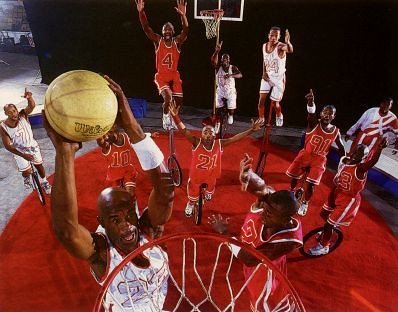
A few weeks ago, I was spending the day with some friends out on Governor's Island when we ran across something I had never even imagined existed. Here, I'll let you experience it as I did:
 |
| Hey, cool. Dudes on unicycles. |
 |
| Wait a minute. Are they playing...basketball?? On unicycles?! |
 | ||
| Um, yeah, that's precisely what they're doing. Basketball. On unicycles. Camera phone pictures don't quite do it justice, though. So here's some video (not my own) I found online, from the same day, and from two slightly different vantage points. Amazing stuff, eh? (Can you imagine the core strength these guys must have?) And as unlikely as it seems, Unicycle Basketball perfectly illustrates a writing/craft concept I've been discussing lately with several authors and illustrators. There's no particular name for it, but basically: one trick of masterful writing and illustrating and storytelling is that it brings together things that totally don't seem like they have anything to do with each other at first, but by the story's end, they've been woven together so well that absolutely feel connected. Because the thing is: basketball being played by a bunch of guys on a Saturday afternoon? Honestly, I probably wouldn't have paid much attention. A bunch of grown men on unicycles? Ok, I would have paid a little more attention, but really just for a minute, for the novelty of it. But grown men on unicycles playing basketball? I watched, I snapped photos, I came home and googled "unicycle basketball" to discover that yes, in fact, it's a thing, and weeks later, I was still thinking about it enough to want to blog about it. Why? Because it showed me something new. Because it connected two things I'd never dreamed could be connected, and in doing so, made my understanding of the world a little bigger, a little broader, a little more interesting. Watch those video clips. At first it's crazy, but by the end of the clip, it starts to seem totally normal, wholly believable, that they're playing basketball on unicycles, with crowds of supportive fans watching. Who would've thought it, and yet...it works. It totally works. Sometimes stories can be crafted in a way that's too linear, too obvious. If you put in only ingredients that have obvious links from the start, the resulting story can become easy to predict, to anticipate. There's a place for that kind of storytelling; don't get me wrong. In some stories, trying to bring in extra disconnected elements would ruin the rhythm entirely. But other times, those seemingly disconnected elements can ultimately add new layers that take a story to places that are more thought-provoking, more memorable, or just more fun. And if it's done right, by the story's end, you can't even separate which of the elements is the odd ingredient anymore, because they've been blended in a way that can't be undone without ruining the story as a whole. In other words, success!
Want some concrete examples? Off the top of my head, I'm tossing out Mo Willems' Don't Let the Pigeon Drive the Bus (small avian creature + urban transportation + high-minded career ambition); The Year the Swallows Came Early by Kathryn Fitzmaurice (cooking + seasonal migration + incarceration); Breadcrumbs by Anne Ursu (friendship + fairytales + baseball); and The Truth About Forever by Sarah Dessen (death + romantic heartbreak + the catering industry). P.S. I'd love to hear examples--or further thoughts from all of you on Unicyle Basketball and its relationship to storytelling--in the comments section! |
Monday, August 29, 2011
You Tell Me: One Book (to rule them all)
I was chatting with one of my talented book creators today, and as we work toward narrowing in and understanding what her next book is trying to become, intriguingly, we both--separately--found ourselves asking the the same question: if she could only ever publish one more book, what would she want it to be about?
Interesting how it's a question with the kind of urgency that brings all of one's creative efforts into a new light, isn't it? (Warning: it can turn your efforts unnecessarily earnest, too, and that's not always the right answer for every writer, so take the whole question with some salt).
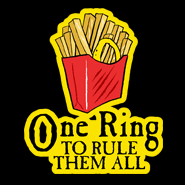
In any case, I'm turning it over to you to mull over in the comments, or just for yourself independently: if you got only one shot--or only one more shot--at this whole publishing thing, what would that One Book (TO RULE THEM ALL Ahem. Couldn't resist! I blame my brothers.) be about? And once you've found that answer, how does knowing it affect your creative process?
And does this picture make you giggle as much as it does me?

Interesting how it's a question with the kind of urgency that brings all of one's creative efforts into a new light, isn't it? (Warning: it can turn your efforts unnecessarily earnest, too, and that's not always the right answer for every writer, so take the whole question with some salt).
In any case, I'm turning it over to you to mull over in the comments, or just for yourself independently: if you got only one shot--or only one more shot--at this whole publishing thing, what would that One Book (TO RULE THEM ALL Ahem. Couldn't resist! I blame my brothers.) be about? And once you've found that answer, how does knowing it affect your creative process?
And does this picture make you giggle as much as it does me?
Wednesday, March 16, 2011
Vacation, vicariously. And also, writing.
I confess, it's a mite hard to come back to work after a week's vacation involving peaceful, miles-away-from-NYC moments like this:

and blazingly lovely sunsets over distant mountain-tops like this.


Okay, but I also confess that I'm leaving out all the days and nights where it rained and rained and rained, making highly-anticipated events like late night ghost stories around a campfire wholly impossible. (Despite the lovely fire pit that taunted us daily with its too-damp firewood.)

This weather tragedy, in turn, forced us to use up an entire bag of jumbo marshmallows playing Chubby Bunny instead of using them for s'mores/toasting purposes. And oh, how I would love to post those photos, but Travel Companion would disown me if I did so, given that few people look entirely flattering with nine jumbo marshmallows stuffed in their mouths. (For the record, I wussed out after six jumbo marshmallows, but mostly because I was laughing too hard to continue.)
But despite too much rain, a happy and creatively fulfilling vacation was enjoyed. And despite the foreboding signs that warned us that The Lone Zombie might be lurking in the woods around us,
 |
| (Beware of prowling zombies!) |
we stumbled (err, deliberately off-roaded in the rental car) our way into some delightfully unanticipated scenic overlooks.


All of which reminds me of one of my favorite quotes (if you've heard the "Traveler or Tourist" talk I sometimes give at writers' conferences, you've heard this one before):
“Happiness on holiday often only comes when we get lost—in the alleys behind the great museum, in a market off the Grand Canal, in olive groves beyond the guidebook recommended town. We are suddenly among people that are not “extras” in a travelogue, but simply themselves. We shed our tourist guise and rediscover living.”— Australian poet Pam Brown
I'm convinced that the best traveling memories are often found in the moments we do not (and usually cannot) plan. The moments where we "get lost." Or when we're forced away from our plans entirely--say, by rain or zombies or an alluring not-quite-a path, wanting to be explored.
And so very often, the same premise holds true in writing, too. (You knew I'd bring all this back around to books and writing and editing somehow, didn't you?) Sometimes, it's the wholly unplanned-for plot twists, the previously-unanticipated character developments, the subtle details that were never even conceived-of in your outline or original draft, that come to matter most. They can slip in quietly but become critical elements or perfect lines or most-beloved scenes in a book. And when you're forced to discard your initial perceptions of what you thought a story would be, sometimes you get the delight of seeing it transform into something else--something more fully alive and blazingly memorable than you even initially imagined it could be. (Okay, the truth is, sometimes unanticipated tangents are just dead-ends or rabbit holes that lead you wildly, unproductively astray. But I hope that at least sometimes, you also get the glorious kind of unplanned results, too!)
So, you tell me--what's one of your best entirely unplanned-but-memorable traveling stories? Or, for the writers--one of your completely-unexpected-but-later-deemed-brilliant story shifts that changed everything about what you thought you were writing? Or both? Tell me in the comments!
Saturday, February 19, 2011
These are the days to remember*
Today I found this short film (via my pal Storybird), and really, you must stop everything and watch it. It's four minutes and three seconds of pure wonderfulness. Or, as you might also care to see it, it's essentially the heart of many a contemporary YA novel, in under five minutes.
YOUTH from Tommy Petroni on Vimeo.
Sometimes I get reflective, as writerly (and editorly!) types do, and I start poking through my life, looking for connections, because connectivity is a theme that matters a lot to me. And sometimes, like with this video, I just stumble upon the connection, unexpectedly and all in a lovely flash.
As I think I've occasionally mentioned on this blog, before I was an editor, I was a youth minister who worked with teens all across the U.S. and Canada. It was a very different life than the one I have now, but the core is surprisingly the same. And that's a truth I realize again and again, as I uncover the elements that bridge the two: Like building relationships. And helping others to grow and believe. And searching out the heart of what matters. And watching people transform because of the possibilities that they've opened themselves up to. And offering and sharing in no-holds-barred honesty. And most of all, at the core of both are the moments of becoming, like those captured in this video--the moments that are both ordinary and wondrous, the incredible friendships (and betrayals) that shape us, the memories and choices that become indelible part of who we are. Because being a teenager is one of the most powerful, profound, epic, meaningful experiences we'll ever have, as human beings.
I loved working with teens. And I love creating books for them now. Watching this video helps me to remember that: though it's writers and artists and agents and other grown-up publishing folk that I work with most closely now, it's still the readers, the teens and tweens and wee little kiddos, that I'm truly doing it for. The days when we can all remember that--that the books and stories we create are for them, most of all--those are the days when I think we can call this industry its most successful. And I'm so proud and lucky to be a part of it.
Thanks, sixteen-year-old Tommy Petroni, for reminding me.
*Yes, that line, and everything else about this post, also reminds me of this song, which was totally a part of the soundtrack to my own teen years. Anyone else make the mental link between the two?
YOUTH from Tommy Petroni on Vimeo.
Sometimes I get reflective, as writerly (and editorly!) types do, and I start poking through my life, looking for connections, because connectivity is a theme that matters a lot to me. And sometimes, like with this video, I just stumble upon the connection, unexpectedly and all in a lovely flash.
As I think I've occasionally mentioned on this blog, before I was an editor, I was a youth minister who worked with teens all across the U.S. and Canada. It was a very different life than the one I have now, but the core is surprisingly the same. And that's a truth I realize again and again, as I uncover the elements that bridge the two: Like building relationships. And helping others to grow and believe. And searching out the heart of what matters. And watching people transform because of the possibilities that they've opened themselves up to. And offering and sharing in no-holds-barred honesty. And most of all, at the core of both are the moments of becoming, like those captured in this video--the moments that are both ordinary and wondrous, the incredible friendships (and betrayals) that shape us, the memories and choices that become indelible part of who we are. Because being a teenager is one of the most powerful, profound, epic, meaningful experiences we'll ever have, as human beings.
I loved working with teens. And I love creating books for them now. Watching this video helps me to remember that: though it's writers and artists and agents and other grown-up publishing folk that I work with most closely now, it's still the readers, the teens and tweens and wee little kiddos, that I'm truly doing it for. The days when we can all remember that--that the books and stories we create are for them, most of all--those are the days when I think we can call this industry its most successful. And I'm so proud and lucky to be a part of it.
Thanks, sixteen-year-old Tommy Petroni, for reminding me.
*Yes, that line, and everything else about this post, also reminds me of this song, which was totally a part of the soundtrack to my own teen years. Anyone else make the mental link between the two?
Friday, October 29, 2010
"Go soak up the world...
...and then come back and turn it into art and words."
I think if I could give one on-going piece of advice to any writer or artist, no matter his or her level of expertise, that would be it: to remember how important it is to go out and engage with the world you're trying to reflect, in one way or another, in your creative efforts.
But I'm getting a bit ahead of myself, throwing advice around in the first line of a blog post, all willy-nilly and entirely unbidden. So let me backtrack a bit, and give some context, starting with this: one of my earliest, most valuable lessons about how to be a good editor came from brilliant-editor-now-turned-brilliant-agent (and former boss) Brenda Bowen, who told me more than once during the time that I worked for her that, "Interesting editors make interesting books." In other words, an editor's job is not (contrary to her often-slavish instincts) to be always at her desk. Because there's more to having the kind of vision that is required of her than simply reading, or editing, or doing the dreaded and evil paperwork. It's also an editor's job to be be fascinated by, and curious about, and, most of all, engaged with the world and everything in it...pretty much constantly!
Why? Simply stated, it's so that when a writer or artist writes about or creates something interesting--when she or he captures a new idea or perspective, or reflects the world in an utterly unique or wonderful way, or finds a fresh and memorable way of telling a universally resonant story--then an editor like Yours Truly can, in turn, be alert and savvy enough to recognize its wonder, rather than inadvertently having her head stuck inside a filing cabinet instead, and missing the whole thing! That's the plan, at least. Like anyone who's human, I do a better job at being "interesting" some weeks than others. But I do know that the weeks when I've engaged more with the world, I'm more alive within myself somehow, and more able to see that spill over into the work I'm doing. And the result is that there's more of an openness in me, more of a willingness and receptivity toward discovery, toward possibility. And what is the whole process of creating and reading and sharing children's books about, if not possibility?
Interesting editors make interesting books. I've learned many times over how much truth these five words contain, and I expect I'll keep re-learning their lesson throughout my career. But it's a maxim which applies 100% to every kind of creator, I think; it's in no way limited to editors. Because interesting writers make interesting books. And interesting artists make interesting books, too. And in fact, I suspect you could sub in a lot of words into the place of "interesting" in that motto: daring, humorous, revolutionary, intelligent, creative, thoughtful...and the list goes on and on.
So how does one learn how to be an interesting writer? And what does it look and feel like to embark on trying to be one? My author Veronica Roth currently has a really honest and wonderfully articulate post about it on her blog, and I think it's pretty much a must-read for anyone grappling with creativity, or a lack thereof. So go on over and give it a read.
And then? Yep, you guessed it. Go on out this weekend, and soak up the world! And then come back and work to transform all the interesting things you've collected into art and words--into interesting books-in-the-making! (And oh, yeah. Have fun along the way, because that matters a whole lot when it comes to creativity, too. But I think that's a whole new blog post....)
I think if I could give one on-going piece of advice to any writer or artist, no matter his or her level of expertise, that would be it: to remember how important it is to go out and engage with the world you're trying to reflect, in one way or another, in your creative efforts.
But I'm getting a bit ahead of myself, throwing advice around in the first line of a blog post, all willy-nilly and entirely unbidden. So let me backtrack a bit, and give some context, starting with this: one of my earliest, most valuable lessons about how to be a good editor came from brilliant-editor-now-turned-brilliant-agent (and former boss) Brenda Bowen, who told me more than once during the time that I worked for her that, "Interesting editors make interesting books." In other words, an editor's job is not (contrary to her often-slavish instincts) to be always at her desk. Because there's more to having the kind of vision that is required of her than simply reading, or editing, or doing the dreaded and evil paperwork. It's also an editor's job to be be fascinated by, and curious about, and, most of all, engaged with the world and everything in it...pretty much constantly!
Why? Simply stated, it's so that when a writer or artist writes about or creates something interesting--when she or he captures a new idea or perspective, or reflects the world in an utterly unique or wonderful way, or finds a fresh and memorable way of telling a universally resonant story--then an editor like Yours Truly can, in turn, be alert and savvy enough to recognize its wonder, rather than inadvertently having her head stuck inside a filing cabinet instead, and missing the whole thing! That's the plan, at least. Like anyone who's human, I do a better job at being "interesting" some weeks than others. But I do know that the weeks when I've engaged more with the world, I'm more alive within myself somehow, and more able to see that spill over into the work I'm doing. And the result is that there's more of an openness in me, more of a willingness and receptivity toward discovery, toward possibility. And what is the whole process of creating and reading and sharing children's books about, if not possibility?
Interesting editors make interesting books. I've learned many times over how much truth these five words contain, and I expect I'll keep re-learning their lesson throughout my career. But it's a maxim which applies 100% to every kind of creator, I think; it's in no way limited to editors. Because interesting writers make interesting books. And interesting artists make interesting books, too. And in fact, I suspect you could sub in a lot of words into the place of "interesting" in that motto: daring, humorous, revolutionary, intelligent, creative, thoughtful...and the list goes on and on.
So how does one learn how to be an interesting writer? And what does it look and feel like to embark on trying to be one? My author Veronica Roth currently has a really honest and wonderfully articulate post about it on her blog, and I think it's pretty much a must-read for anyone grappling with creativity, or a lack thereof. So go on over and give it a read.
And then? Yep, you guessed it. Go on out this weekend, and soak up the world! And then come back and work to transform all the interesting things you've collected into art and words--into interesting books-in-the-making! (And oh, yeah. Have fun along the way, because that matters a whole lot when it comes to creativity, too. But I think that's a whole new blog post....)
Monday, August 9, 2010
In which we get our Write On!
I have been a very, very bad blogger this summer. However, I'm attempting to make up for my wayward ways by getting involved in this week's WriteOnCon, from August 10th-12th.

If you haven't heard about WriteOnCon, go check it out. Basically, 7 kidlit writers found themselves wishing for a *free* online writers conference . . . and then, since one did not exist, and because they are Made. Of. Awesome., they went out and made it happen. (Note to self, never-ever underestimate the power of writers with a good ideaa...)
Seriously, take a look at the schedule, and poke around on the website. Instead of the in-person workshops and lectures and breakout sessions of a traditional conference, you'll find editors, agents, and published authors presenting via blogs and vlogs, talking about every element of the industry imaginable, from craft to querying. (Yours truly will be both vlogging and blogging, oh my!).
Wishing for something a little more interactive, or that allows your questions to be answered? Then take part in live chat panels every night (come say hi to me on Thursday evening! Be sure to read the instructions in advance to get registered).
And because a conference wouldn't be a conference without a chance to meet other amazing writers, there are forums for conversations and critiques and connections.
And it's all FREE. (A.k.a, no "what should I wear??" panic! You can wear your pajamas!) You can follow along in real-time if you're able, as the presentations go live, or you can catch up later by scrolling back through previous "sessions."
Sound awesome? I expect that it will be! My hat's truly off to the ladies who dreamed this up, rallied the industry to take part, and then brought it all to fruition in a matter of mere months. Once again, the children's book community proves itself to be quite an amazing, giving community, abounding with enthusiasm and possibility. So...hope to see you at the conference!

If you haven't heard about WriteOnCon, go check it out. Basically, 7 kidlit writers found themselves wishing for a *free* online writers conference . . . and then, since one did not exist, and because they are Made. Of. Awesome., they went out and made it happen. (Note to self, never-ever underestimate the power of writers with a good ideaa...)
Seriously, take a look at the schedule, and poke around on the website. Instead of the in-person workshops and lectures and breakout sessions of a traditional conference, you'll find editors, agents, and published authors presenting via blogs and vlogs, talking about every element of the industry imaginable, from craft to querying. (Yours truly will be both vlogging and blogging, oh my!).
Wishing for something a little more interactive, or that allows your questions to be answered? Then take part in live chat panels every night (come say hi to me on Thursday evening! Be sure to read the instructions in advance to get registered).
And because a conference wouldn't be a conference without a chance to meet other amazing writers, there are forums for conversations and critiques and connections.
And it's all FREE. (A.k.a, no "what should I wear??" panic! You can wear your pajamas!) You can follow along in real-time if you're able, as the presentations go live, or you can catch up later by scrolling back through previous "sessions."
Sound awesome? I expect that it will be! My hat's truly off to the ladies who dreamed this up, rallied the industry to take part, and then brought it all to fruition in a matter of mere months. Once again, the children's book community proves itself to be quite an amazing, giving community, abounding with enthusiasm and possibility. So...hope to see you at the conference!
Wednesday, March 24, 2010
Why I Work in Publishing (in brief)
There are a million reasons I could tell you. Catch me in person some time, in fact, and you'll be hard-pressed to avoid me telling you some of them, probably whether you've even asked or not! ;) In fact, maybe "Why I Work in Publishing" should become a regular feature on this blog.
But for now, as the simplest answer to that question, I'll point to this. Reviews like this--heartfelt responses from readers like this--are why I work in publishing, and specifically, why I work in children's/YA books. Because I get to help make books that carry this much power, for readers of every age. Because stories become a part of us and stay with us forever and shape the person we become in the world and the mark we choose to leave on it. Because the things a writer has to say, and the words s/he crafts, can become black marks on white paper (or the technological equivalent thereof) that just might make someone else want to become a better person. And I get to help make all of that happen.
Does there need to be any other reason?
But for now, as the simplest answer to that question, I'll point to this. Reviews like this--heartfelt responses from readers like this--are why I work in publishing, and specifically, why I work in children's/YA books. Because I get to help make books that carry this much power, for readers of every age. Because stories become a part of us and stay with us forever and shape the person we become in the world and the mark we choose to leave on it. Because the things a writer has to say, and the words s/he crafts, can become black marks on white paper (or the technological equivalent thereof) that just might make someone else want to become a better person. And I get to help make all of that happen.
Does there need to be any other reason?
Tuesday, February 9, 2010
The Best Book Ever
Hey, I think I've met this guy a time or two before. Maybe you have, too? Maybe he's in your writing group?
Sunday, January 24, 2010
Beauty, of the writerly sort
Every now and then, someone uses words in a way that stops me short. It's an amazing feeling to stumble upon words--writing--like that. When a writer is able to perfectly, expertly, seemingly painlessly (ha! I know better!) capture old truths, to restate things I already know, but in a gorgeous way that makes me pause and nod and see them as if they are completely new discoveries, it makes me nothing short of ecstatic. And if a writer does all that while also using vibrant, beautiful language, then I'm completely, entirely that writer's captive. A willing captive, who wants to shout out words of agreement and encouragement from rooftops for that writer.
Since this blog is the closest thing I've got to a rooftop, please read this as me shouting: RUN, DON'T WALK to read Alexander Chee's "100 Things About a Novel, Pt. 1." His "things" (which are far too lovely to simply be given such an ordinary title, but it's his name for them, not mine) are honest and true and both perfectly stated and understated at the same time, and to top it all off, the editor in me is mad-in-love with his perfectly elegant use of syntax. Right now I'm caught between both hoping he'll post the other 70 or so right-away-fast-like-tomorrow, and hoping he'll post them oh-so-slowly, so I can luxuriate in imagining just how perfect they'll be, when he finally does so.
Which "thing" resonates most for you?
Since this blog is the closest thing I've got to a rooftop, please read this as me shouting: RUN, DON'T WALK to read Alexander Chee's "100 Things About a Novel, Pt. 1." His "things" (which are far too lovely to simply be given such an ordinary title, but it's his name for them, not mine) are honest and true and both perfectly stated and understated at the same time, and to top it all off, the editor in me is mad-in-love with his perfectly elegant use of syntax. Right now I'm caught between both hoping he'll post the other 70 or so right-away-fast-like-tomorrow, and hoping he'll post them oh-so-slowly, so I can luxuriate in imagining just how perfect they'll be, when he finally does so.
Which "thing" resonates most for you?
Monday, November 2, 2009
You tell me: What do you know to be true?

In my internet wanderings, I recently came across the blog White Hot Truth. While I don't know its author, writer/entrepreneur/ creative-type Danielle La Porte, I was quite taken with some of her thoughts and reflections. In fact, I'll go off on a tangent here before I even really start, to share a fantastic quote from one of her posts: "Everybody is amazing at something...and your genius is a cousin to your joy." I think she's totally right, on both counts!
But what set off my editor-radar most especially as I prowled through Danielle's blog were two of the "burning questions" that she commonly asks in one form or another, when she interviews her fellow outside-the-box-types (like nonconformists or financial visionaries).
The first: What do you know to be true, unquestionably beyond doubt, certain with every cell of your being, completely, passionately, righteously certain?
And the second: What was the dumbest thing that you used to believe?
One of my first thoughts upon reading these questions was how very much I'd love to pose these same questions to book characters (and their respective writers). Because I think that for a character to feel truly real, the writer has to know--and the reader has to understand--the deeply, sometimes secretively, held things about a character, whether or not they're explicitly a part of the story. So I'm borrowing these vibrant questions (per the disclaimer on Danielle's site that says that republishing her stuff is cool, as long as she's credited), tweaking them a bit, and passing them along as potential inspiration.
So if you're in the mood for a writing exercise, take the main character(s) in whichever book you're working on right now. And wherever you are in the story right now, be it beginning, ending, or murky middle, pause and ponder these questions. (If you're revising, rather than writing, try asking question #1 twice, at both the story's beginning and end, to get a good glimpse--hopefully--of your character's full arc/growth.)
1. What thing(s), minor or monumental, does your character know to be TRUE in this moment? What, for her/him, is unquestionably beyond doubt, certain with every cell of his/her being, beyond all hesitation--simply and inescapably and absolutely true?
2. [This one's my own addition.] Does anyone know that your character believes the above to be true? (Who? Or if not, why not?)
3.What was the dumbest thing that your character once believed to be true that s/he later learned wasn't entirely true...or wasn't true at all?
Ahhh. Good stuff, eh?
Feel like sharing what you uncover? Go for it--I'd be delighted to "meet" some deeply authentic, bare-souled characters in the comments section--or for you to blog about these ideas on your own blog, and post the link back here. And, truth be told, when you're done thinking about these questions for your characters, they're pretty fantastic to ponder for yourself, too....
Sunday, November 1, 2009
Go, Nano-ers, Go!
Annnndddd....they're off!!
 (Is it coincidence that National Novel Writing Month kicked off on the same day as the New York Marathon? I think it's probably not!) Good luck and happy writing to all those attempting this year's NaNoWriMo!
 Good luck, too, to those who aren't officially na-no-ing, but who are hunkered down with revisions, or focusing on writing picture book manuscripts, or on illustration work, or whose lives/personal creative processes don't line up well with the rules of NaNo, but who are trying to stay deeply focused on their creative life this month, nonetheless.
I have only one small word of advice for you writerly types: JOY. Over the next 30 days--amidst the discipline, and the insanity, and the word counts, and the late nights and early mornings and other stolen moments of writing, and the self-induced pressure and resultant potential meltdowns, and visions of proud sharing of your story, and the desire to "win" Nano--may you, most of all, find true joy in the simple act of placing words on pages, and in the creative life you're living out, day by day!
Friday, June 19, 2009
Poetry Friday: "To a Girl Writing Her Father's Death"

One of my favorite professors in college shared today's poem (one of my all-time favorites) with us, at the start of a semester-long intensive poetry writing workshop. There was instantly something I loved so much about this poem--about the poet's voice, about the way reading it makes me catch my breath a little, and about the true, hard things she has to say about the often-painful act of writing. So I asked my professor if I could borrow the collection of poetry that it was from...and then, I'm ashamed to say, I somewhat-purposefully "forgot" to return the book to him. I just didn't want to give up those words.
That professor remained a mentor to me long after the semester's workshop ended--in fact, he later supervised the publishing internship that was my first step into working in children's books--and when I graduated and was packing to move and bidding my goodbyes to campus, I finally confessed that I still had his book, and promised to return it before leaving for good. He instead kindly told me that I should continue to keep the pilfered book as a graduation gift, and to hold dear the poem in it that I'd loved so much. So now I'm turning around, and sharing it with all of you, especially you writers, as the editor in me thinks about your stories, and echoes the poet's instructions, "Speak. Make holy detail....And forgive me for asking."
"To a Girl Writing Her Father's Death"
by Beckian Fritz Goldberg
Sometimes the lake water writes and writes and gets
no answer. You tell me, It was just October.
That is good. His voice was full of love and laughter. Not
so good. Full of copper, jacks-of-diamonds, cubes
of honey, I could believe. But I did not know
your father. The moment when the cable snapped from
the boat has, however, its drama. Yet it is not
enough. Try to understand the need out here for
gestures, wind, raw sound. Was it a spasm
of sex in the motor, light shingling
his black hair as the boat spun
on its wide iris down? Were you standing?
I know this must be painful, standing
at the edge of your white page with someone
gone under. You were sixteen and he called you
Princess, though it is a cliche to be
called Princess. And to be sixteen. Yet
I have looked at you and you are not now
much older. You could wear tiaras,
your blond waves pure as the back
of the knee. Though you wear your carrot rouge
in clumsy circles, which makes me
love you. I have not lost a father
except in my dreams. But each one has left
my mouth open. Speak. Make holy
detail. Let the water bend over you like cold
eyeballs. Let in the scream and the lining of the scream
and the prismic figure eights of oil
mad on the wake--and forgive me
for asking. You have to think of the world
which gave and took your father.
The world which asks for him now.
There's no sense writing poems unless
you see the mob: We who gather for the red
pulse of every ambulance, we who crowd
lifeguards kissing the still blue lips of
children on the beach, and murmur who
and how, hungry for every morsel
of this life that is not ours, not really. Not
for long. But for the asking.
Subscribe to:
Posts (Atom)